
If you’ve ever tried to manage customer conversations on WhatsApp manually, you already know how quickly things get overwhelming.
One minute you’re answering a pricing question.
Next minute someone asks about delivery.
Then another person wants your catalog.
By the end of the day, you’ve answered the same questions dozens of times — and still missed opportunities.
That’s exactly why more businesses are moving toward WhatsApp automation marketing.
With the right setup, you can send automated WhatsApp messages, respond instantly, qualify leads automatically, and focus your time on conversations that actually matter.
This guide breaks down how WhatsApp automation works, where it helps most, and how businesses are using it to grow faster without increasing workload.

Why WhatsApp Automation Marketing Matters Today
Customer behavior has changed. People expect quick responses — especially on messaging apps.
If they don’t get an answer fast enough, they usually move on.
This is where WhatsApp automation for business becomes powerful.
Instead of relying on manual replies, businesses use messaging automation to:
- respond instantly
- capture leads automatically
- guide users toward purchase
- reduce response time dramatically
The result? Better conversations, better engagement, and more consistent growth.
What Is WhatsApp Automation Marketing?
In simple terms, WhatsApp automation marketing means using workflows, triggers, and AI to send messages automatically based on user behavior.
Instead of typing responses manually, your system sends automated WhatsApp messages when:
- someone starts a chat
- asks a common question
- clicks a link
- fills out a form
- requests product info
This approach turns WhatsApp from a support channel into a full growth engine.
Where WhatsApp Automation Actually Helps Most
Not every conversation needs automation — but the right ones do.
Businesses typically use WhatsApp automation for:
Lead Capture
Automation can greet new users, ask qualifying questions, and collect contact details instantly.
Customer Support
Instead of answering repetitive questions manually, automated flows handle the basics smoothly.
Follow-Ups
Automated reminders and updates keep customers engaged without extra effort.
Campaign Messaging
Businesses send promotions, announcements, and updates using automated WhatsApp campaigns.
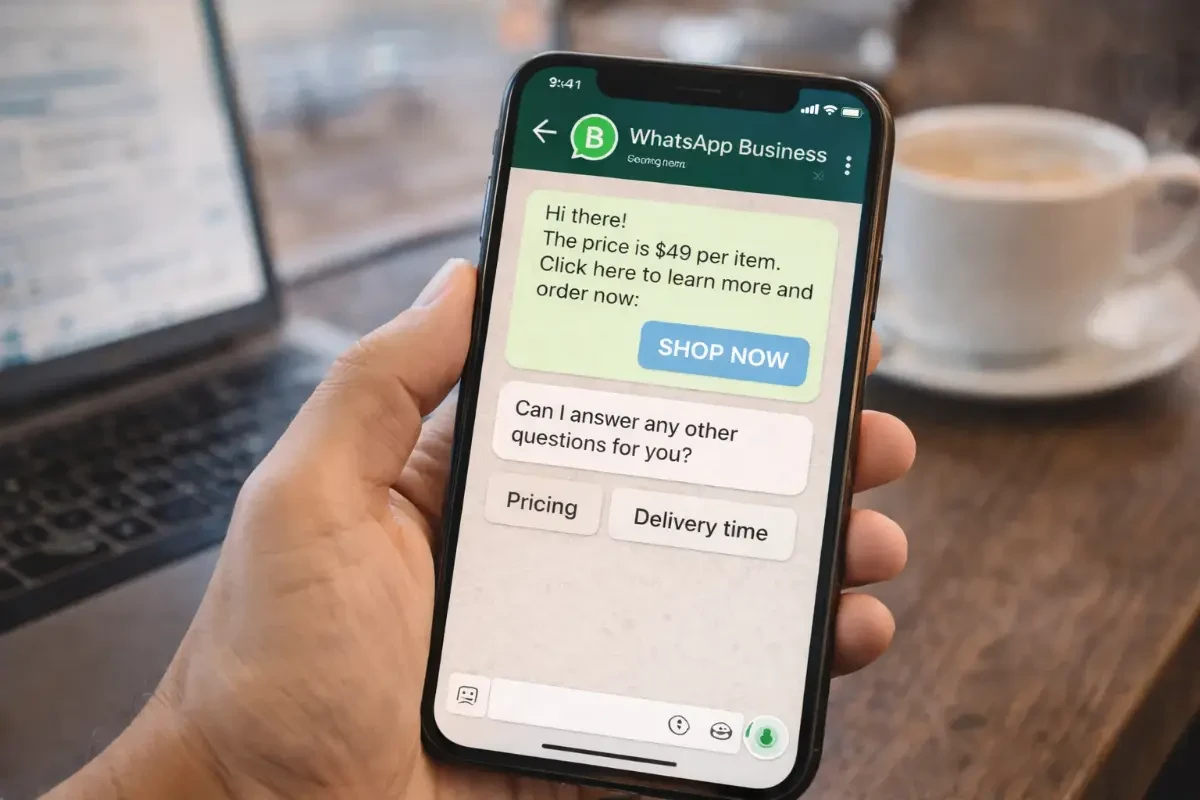
How WhatsApp Automation Works (Simple Breakdown)
The process is simpler than most people expect.
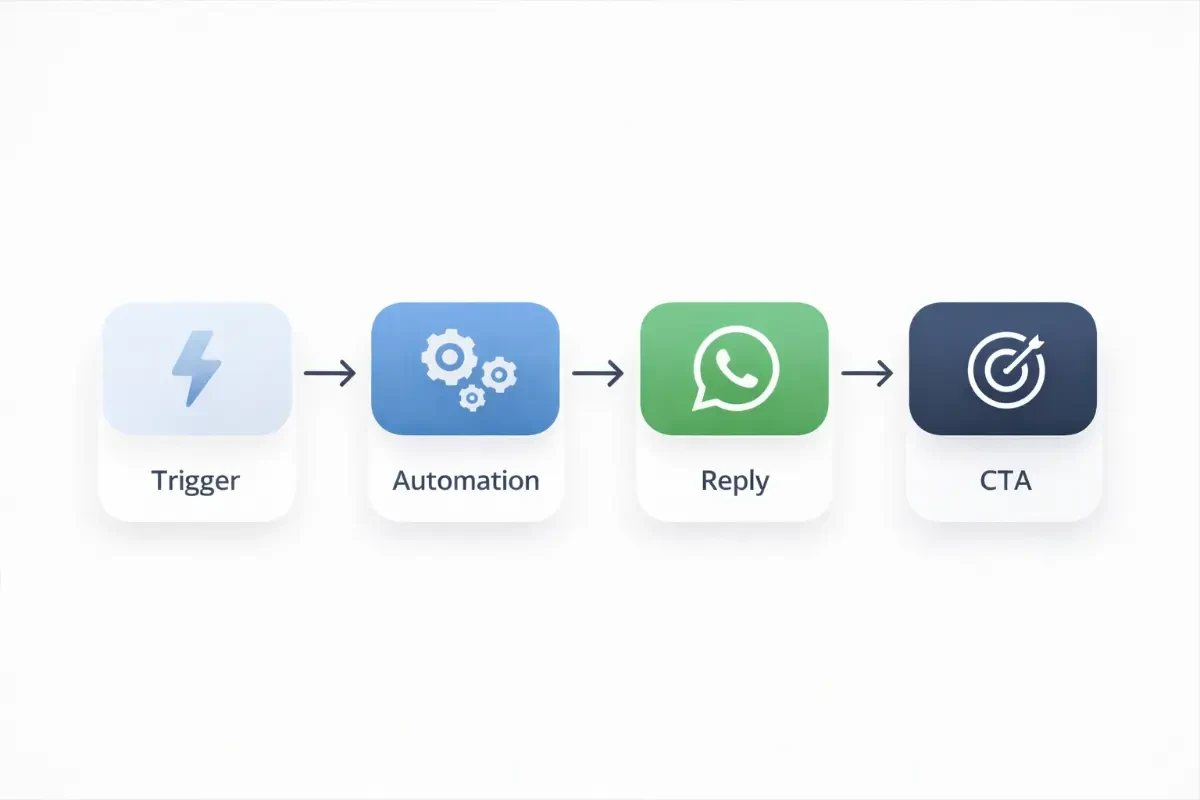
Step 1: Set Triggers
Automation starts with triggers like:
- keywords
- button clicks
- new chats
- user actions
These activate workflows instantly.
Step 2: Build Conversation Flows
Instead of single replies, businesses design automated conversations.
Example flow:
Greeting → Question → Answer → Offer → CTA
This structure keeps interactions natural and helpful.
Step 3: Segment Your Audience
Advanced setups categorize users by:
- interests
- behavior
- stage in funnel
That makes WhatsApp marketing far more personalized.
Real Benefits Businesses See
Once implemented correctly, WhatsApp automation marketing creates measurable impact:
✔ faster response times
✔ higher engagement rates
✔ improved customer satisfaction
✔ more qualified leads
✔ stronger conversion rates
Most importantly, teams stop wasting time answering the same questions repeatedly.
Common Mistakes to Avoid
Automation works best when done right.
Some businesses make these mistakes:
❌ over-automating conversations
❌ sounding robotic
❌ sending too many messages
❌ ignoring personalization
The best approach balances automation with human interaction.
Final Thoughts
If your team is still replying to every message manually, you’re not just wasting time — you’re slowing growth.
With the right WhatsApp automation strategy, businesses can:
✔ respond instantly
✔ nurture leads
✔ scale conversations
✔ grow without burnout
Platforms like Vardast make it easy to launch WhatsApp automation for business without complexity.
Start small, test often, and let automation handle the routine — so you can focus on real growth 🚀